Sunday, November 15, 2009

Reasons for Pain


•We generally say pain is due to an injury or health problem, but that is only the superficial cause. The real cause is based on a complex set of interactions within our body involving our brain, the nervous system, and other functions


•Regardless of whether you’re suffering from back pain, headaches, or other types of pain, understanding the way pain is determined can help give you a better perspective of what’s happening in your body.

•CORALadvantage Joint Health and Calcium Magnesium promote joint and bone health while reducing pain.

Physical pain has been experienced by all people in some place, at some time. While some of these experiences are from injury or illness, others do not have a cause we can immediately identify. Understanding acute or chronic pain can help improve our choices of how to manage that pain.


The Physical Cause of Pain


We generally say pain is due to an injury or health problem, but that is only the superficial cause. The real cause is based on a complex set of interactions within our body involving our brain, the nervous system, and other functions. So how do our bodies sense pain?


Most of us think of the nervous system as consisting of only our brain and spine, but the system is quite a bit more complex. In fact, the receptors of the nervous system are placed throughout our entire body, and these are connected so that their signals can be transmitted back to the brain where they are then processed. The fibers of our nervous system receive information from the cells, then send messages to the brain and to the muscles of our body. There is a constant highway of messages running throughout the body at all times.


For example, imagine you hit your leg on a table. Although the pain seems to come immediately, that’s only because you mentally anticipate that the injury will result in the feeling of pain. The real sensation of physical pain comes a bit later, but it seems immediate. What happens in your body, after the incident, is that the cells or tissues of the injured area will immediately release chemicals that heighten the sensitivity of the nerve endings affected. After the nerve endings have been stimulated, they will begin sending impulses through the fibers in your body, reaching your spine and moving up your spinal cord into your brain at alarming speed. The brain then determines that the impulses should be translated as reactions thus causing you to feel the pain. So, the brain has to tell the body how to respond to the painful injury. It sends out dozens of messages to the muscles in your body which spawn reactions such as rubbing the area and maybe even reacting with a desire to verbally cry out.


Common Pain Types


There are other types of pain that are common, but which have harder direct causes to identify. The two most commonly cited causes of pain are back aches and headaches. This may be due to the back being a larger area and involving many muscles that the body uses all the time. Headaches are often related to more than one factor as the brain is involved in every facet of every move and thought your body makes.


Back pain can actually initially generate from any number of problems that can send nerve cells into high gear. One of the most common of these problems is back strain. This can happen when you impart some type of physical action that is too strenous on those back muscles and ligaments. The stress can also involve the discs in your spine. Normally, discs help act as cushions between the vertebrae in your spine, but if they move out of place or rupture, they can attribute to a serious amount of pain. This pain can be magnified if the disc ends up pressing down on a nerve. Back pain can involve over use of the muscles through lifting, exercise or just moving in the wrong way. Arthritis can also be a common cause of pain, especially in people who are older or who have had numerous back injuries, which allow for the inflammation of the joints to occur. Inflammation sends signals to the brain to be processed, just as if an actual injury had taken place.


Second to back pain are headaches. The most common type of headache is tension induced. While science is unsure of the specific causes of these headaches, the belief is that the source of the pain involves the muscles which cover the skull. When these tense up or spasm, the result is a stream of electrical messages through those nerve cells which alert the brain that pain is being registered in the head region. Headaches may be generated by environmental factors, extreme temperature changes, and even your sensory intake which play a large role in how your nervous system reacts and ultimately sends your brain the message which gets interpreted into pain or discomfort.


Regardless of whether you’re suffering from back pain, headaches, or other types of pain, understanding the way pain is determined can help give you a better perspective of what’s happening in your body.


If you’re interested in natural supplements for pain and inflammation relief, check out other products like CORALadvantage Joint Health and Calcium Magnesium which promote joint and bone health while reducing pain.

Using Natural Pain Relievers


CORALadvantage Joint Health and Calcium Magnesium promote joint and bone health while reducing pain.


When you’re in pain, your first tendency may be to rush to the medicine cabinet for some product like aspirin or ibuprofen. If your pain is chronic, your physician might even have to write you a prescription for stronger painkillers. What you may not know is that there are alternatives to eliminating that pain. Below are some of the so-called natural pain relievers you should try before risking addiction and other serious side effects associated with artificial pain medication.


Acute Muscle or Arthritis Pain


If you’ve pulled a muscle or you’re suffering from a temporary arthritic flare-up, there is a good natural remedy that you can use to quell the pain: Capsaicin. Capsaicin is the ingredient that gives pepper their spicy heat. If you think about the effects that heat has on your mouth, it’s no surprise that it can do some amazing things with pain by actually making nerve reception in the skin less sensitive.


Some evidence suggests Capsaicin may also be useful for headache pain. You can currently purchase topical creams at the local drug store which are made from this active pepper ingredient.


Pain Prevention


If you’re worried about pain and soreness after athletics or strenuous training, you might want to take some preventative measures by supplementing your diet with two increasingly popular nutrients known as Glucosamine and Chondroitin. When taken together, they improve the body’s ability to fight off serious injuries or other pain-causing problems associated with your joins and cartilage.


Glucosamine actually encourages the growth of new cartilage while simultaneously easing the pain in your joints. Chondroitin increases the amount of fluid found in your cartilage which helps make movements more lubricated and less stressful on the body. However, these nutrients is not taken exclusively for pain relief. They are taken daily as dietary supplements.


Chronic Arthritis Pain or Carpal Tunnel Syndrome


If you have ongoing arthritic pain, such as that caused by rheumatoid arthritis or psoriasis, you may want use a supplement known as Zyflamend. This supplement includes a number of different herbs like ginger and turmeric, which are known to help reduce inflammation in the body. Because many of the capsules, which can be purchased at health food stores and alternative health shops, include caffeine, you don’t want to take them before going to bed. Instead, you should only take two or three of the pills each day.


Back Pain


If you suffer from back pain like millions of other Americans, one way you may be able to reduce your dependence on over-the-counter and prescription pain relievers is fish oil supplements. Research has shown that about two-thirds of patients who suffered from back pain in part of a recent study were able to completely give up their prescription pain killers after taking fish oil every day for ten weeks. Take about 4,000 mg of fish oil every day to reduce your pain, but talk to your physician first because, in some cases, he or she might even recommend doses of up to double that amount.


Another benefit of taking fish oil is that it can help improve your heart health.


If you’re interested in natural supplements for pain and inflammation relief, check out other products like CORALadvantage Joint Health and Calcium Magnesium which promote joint and bone health while reducing pain

Top 5 Natural Migraine Treatment Methods


•Natural migraine treatment can include chiropractic care, which is very effective.


•Biofeedback can be a migraine headache cure when learned properly.

•A natural migraine cure can be eliminating trigger foods from your diet.

•One migraine cure involves changing to a low stress lifestyle.

•Icepacks and dark quiet rooms can be a natural migraine treatment to minimize symptoms.

If you struggle with stress as a cause of migraines, supplements like Ginseng Power Max 4x, Stress Assist and Zincechinacea Lozenges can help.


Using a natural migraine treatment is important to many people who suffer from this disorder. A migraine headache can become unbearable, and make the slightest sound or light excruciatingly painful. These headaches may be caused by stress, visual problems, certain medical conditions and medications, and other things. One frequent cause of migraine headaches is overexertion of the neck muscles. Your menstrual cycle can also cause a migraine headache, and these are usually referred to as a menstrual migraine. There may or may not be a migraine cure, depending on what is causing the headaches, but even if it is a medical condition that can not be cured it is possible to use natural migraine treatment to minimize the severity and frequency of these headaches. There are a number of natural migraine treatments that are safer, cheaper, and more effective than drugs used to treat these conditions.


1. Visit a Chiropractor


Chiropractic manipulations to correctly align the spine, and vertebral adjustments to relieve pressure on the spinal cord, can be a migraine headache cure and preventative. This natural migraine treatment ensures normal blood flow and nerve impulses to the brain and other parts of the area, and can minimize migraine symptoms and the frequency that they occur. Manipulation and adjustment of the spine has been used for centuries as a migraine cure, as well as to treat other conditions. This is especially true in ancient chinese medicine, and is still effectively used today by many to get rid of migraine headaches and keep them away. More than eighty percent of migraine sufferers will get relief with this method


2. Participate in a Biofeedback Program


Biofeedback training programs are not medical treatments. Instead, training sessions are used to teach you how to control your involuntary nervous system, including your heart rate, skin temperature, blood pressure, and muscles. This allows you to relax tense muscles that contribute to a migraine headache. Biofeedback can be a very effective migraine headache cure that is natural and has no harmful side effects. This natural migraine treatment will help in about seventy percent of the migraine cases, but this method is not ideal for everyone.


3. Change Your Diet


Choosing the right diet is important for a natural migraine headache cure. Certain foods, and chemicals in foods, may cause migraine headaches or make them worse. Find out what foods trigger your symptoms, and eliminate them completely from your diet. There are a large number of foods that can affect this condition, and the foods which bother you may be completely different than what bothers other people with a migraine headache. Common culprits can include caffeine, chocolate, cured and processed foods, and many others.


4. Switch to a Lower Stress Lifestyle


Stress is a common cause of migraine headaches, and stress causes tension in your body which makes your neck muscles tense, and this is another common migraine cause. Getting enough sleep, exercising more, and eliminating stressful things from your life can help you prevent migraines before they even start. This natural migraine treatment adds the benefit of making your entire body fit and healthy


5. An Icepack, a Bed and a Dark Quiet Room


This migraine cure is very common, and is also an old remedy. Place the icepack at the base of your neck and hairline, making sure to use a cloth between your skin and the ice. Lay down on a bed in a dark quiet room, and try to go to sleep. The icepack will help slow down the throbbing and pain, and the dark quiet room lets your senses rest. If you can nap that is even better, because many migraine sufferers report that sleeping makes the migraine go away.


Stress can play a large role in the development of migraines. For many people stress is an everyday part of life. If you’re interested in natural ways to help combat stress which will help combat migraines, there are some natural supplements that can help. Ginseng Power Max 4x, Stress Assist and Zincechinacea Lozenges can help you remain calm and hopefully help you avoid migraines.

Migraine Headache – Maybe It Is Time to Change Your Diet?


Migraine Headache – Maybe It Is Time to Change Your Diet?


A migraine headache is a neurological syndrome characterized by such symptoms as severe pain, nausea, a pounding in the head or skull-splitting feeling, and sensitivity to light.
Changing your diet to avoid a potential trigger food can be a step toward preventing future migraines.
If you’re not eating a good diet, Take One Multiple and Trace Minerals can help you get all the nutrients you need.
A migraine headache is a neurological syndrome characterized by such symptoms as severe pain, nausea, a pounding in the head or skull-splitting feeling, and sensitivity to light. These intense headaches have become more common in the last 20 years and can affect anyone, regardless of age, gender, or race. It may be difficult to believe, but some foods can actually trigger a migraine. Changing your diet to avoid a potential trigger food can be a step toward preventing future migraines. Doctors have devised a migraine diet to help patients predisposed to this medical condition avoid trigger foods that may cause migraines.
Foods that should be excluded from a migraine diet will depend on the individual, and understanding some common food triggers can help you pinpoint which triggers could contribute to a migraine headache. Scientists and medical practitioners believe that migraines are the result of a combination of vascular and chemical changes in the brain, and that food triggers may cause these changes to occur.
Some foods that seem to have migraine triggers are those such as cured meats like bacon, ham, pepperoni, and salami. These foods contain high amounts of nitrates, which can cause a reaction in the brain that may cause a migraine.
Another food that may be good to avoid is chocolate. Chocolate contains caffeine, theobromine, and phenylethylamine. It also causes your body to release norepinephrine, which constricts blood flow in the brain by narrowing arteries and veins.
Aged or otherwise strong cheeses can be another common food trigger for migraine headaches, and may need to be removed from your diet.
Caffeine is another trigger, so coffee, tea, and caffeinated soft drinks should be avoided if possible. This leads to a double-edged treatment, however, because caffeine withdrawal can also cause a migraine headache. If you drink large amounts of coffee or other caffeinated beverages, try to cut down slowly over time.
Alcoholic beverages, especially red wine, should also be considered for elimination from your diet if you suffer from migraine headaches. Alcoholic drinks contain histamine, which can cause or exacerbate a migraine headache. Other common foods to take out of your migraine headache diet include hot dogs, lunch meats, citrus fruits, pickles, yogurt, sour cream, pork, seafood, and chicken livers, though the list could on and on. It is better to determine which foods affect you, and then eliminate them one by one from your migraine headache diet.
Many common food triggers for migraine sufferers have something in common: they contain large amounts of amines, such as tyramine, histamine, phenylethylamine and octopamine. Many scientists believe that intolerance for these food components are what can act as a cause of the food trigger and a subsequent migraine headache. Changing your diet to exclude any food triggers that are specific to your migraine headache condition can help you minimize both the frequency and the severity of your migraine headaches, overall improving your life function. It is also important to exercise regularly, get restful sleep, and drink plenty of fluids. Not getting adequate exercise, dealing with consistent and high stress and dehydration can all cause migraine headaches.
Perhaps your migraine diet is being caused by a lack of proper nutrients in your diet. Don’t worry, there are ways that you can give your body everything it needs without having to eat the foods you don’t like. Check out products like Take One Multiple and Trace Minerals which are natural supplements to help you get all the nutrients you need.

Top 10 Terrible Mistakes Made By Surgeons

Top 10 Terrible Mistakes Made By Surgeons

Surgical mistakes happen more commonly than people think
One in every three thousand surgeries will result in something being left in the body of the patient
Here are the most bizarre stories we have been able to dig out
To promote overall health, check out products like Echinacea/Goldenseal w/Org. Alcohol and Astragalus Organic so you can possibly avoid terrible surgeries like these..
1. Alex Mitchell of Massachusetts sued his surgeons after an Adept Med Fish was found still in his body after a routine hernia operation. The device is a foot long, and is made to protect the internal organs during the suturing phase. Mitchell suffered from severe pain, nausea, and vomiting, and had to have a second operation to remove the medical equipment. Jurors awarded Mr. Mitchell two hundred and eighty thousand dollars for his pain and suffering.
2. In Texas, a department of corrections inmate named Antonio Garcia had emergency surgery. After the surgery, six years to be exact, the man realized that he had a surgical needle still inside of him when he had a routine x-ray and the needle was visible on the film. A lawsuit was filed against Dr. Presley, who was the surgeon, and the hospital where the surgery took place.
3. In South Carolina, in the year 2004, pair of surgical scissors was left in a thirty eight year old woman after she underwent a hysterectomy. Experiencing pain, the woman went back to the doctor and then to the Emergency Room several times before ER doctors ordered an Ultrasound and CAT scan for her abdomen, and that is when the scissors became apparent. After undergoing surgery to have the object removed, she recovered just fine and the persistent pain stopped.
4. A forty one year old forklift driver named Robert Maxwell underwent bowel surgery at Skyline Medical Center, and kept experiencing severe pain and nausea for three weeks after the surgery. He finally went to the emergency room because the pain became unbearable, and doctors there discovered a piece of medicated gauze that had been left behind during his surgery.
5. A woman in Wisconsin underwent abdominal surgery for her appendix, and had severe discomfort for weeks afterwards. The pain started to dull down, and would come and go over the next few months. It was not until the woman went through an airport metal detector and scanner did anyone realized that she still had a large surgical clamp in her chest.
6. Daryoush Mazarei had lower abdominal surgery and did not recover well afterwards. He complained to the doctors and hospital about severe pain, and was told at one point to see a psychiatrist because his pain was mental. After a CAT scan, a ten inch steel retractor was found lodged in his abdomen and surgically removed.
7. Sinai Hospital in Baltimore, Maryland faced a lawsuit because of several items left behind after her surgery. The woman had surgery for a benign tumor, and the surgeon left behind pieces of plastic, sponges, and gauze, which was discovered six years later. The woman’s complaints of pain had been brushed aside by the doctor and hospital in the time since the surgery.
8. One woman in New York had a broken surgical scissor blade left in her abdomen that was not discovered for sixteen months after the surgery. The blade was accidently discovered after a car accident when the woman was given x-rays for a possible broken hip. The lawsuit was settled for one hundred thousand dollars.
9. At Jacobi Hospital in New York, a thirty eight year old woman had a cesarean section and surgeons left a laparotomy pad inside her abdomen. The mistake was discovered two years later when a sonogram was ordered for a pregnancy that the woman had. Surgery was required to remove the pad and this caused even more pain and scarring in her abdomen.
10. One surgical mistake which was settled for one hundred and seventy five thousand dollars involves a seventy two year old woman who had cardiac bypass surgery, and the surgeon left a surgical sponge behind her sternum which had to be surgically removed. This caused her to have an extended nine day hospital stay and extreme pain and suffering.
Sure, there’s nothing you can do about putting yourself at risk of surgeons making any mistakes while operating on you, except maybe not going to these doctors, but you can do your best to take care of your body. To promote overall health, check out products like Echinacea/Goldenseal w/Org. Alcohol and Astragalus Organic.

Pain Problems

How to Stop Hemorrhoidal Bleeding and Other Ways to Care for Hemmorrhoids
can be a common occurrence if you suffer from severe hemorrhoids. and proper hemorrhoid care can make a big difference if you want relief from the problem. Hemorrhoids can occur both inside and outside the body and the rectum, and when they bleed, it can be both scary and confusing.
Hemorrhoidal bleeding can be treated at home, or if the bleeding persists and continues for a time, you may need to see your physician. The first step in treatment for bleeding hemorrhoids is home remedies, and there are a number of astringents that can clean and soothe the irritated and swollen area, making you feel much better. Aloe vera juice is a good product to use, and so is apple cider vinegar or witch hazel. The astringent properties will ensure no infection can occur.
Proper hemorrhoid care for hemorrhoidal bleeding can include ice packs applied to the area affected. This treatment for bleeding hemorrhoids will not only help heal and shrink the veins causing the problem and the swollen tissue around these veins, but it will also numb the area and eliminate pain and itching. Neem oil or another skin cream and moisturizing oil can be rubbed into the tissues affected by the hemorrhoids, and this will help keep the skin and tissues soft and flexible.
Hemorrhoid care can also include replacing your toilet paper with soft thick wipes that do not contain soap or fragrances. Always wipe from front to back and never rub or scrub the area roughly

Top 10 Natural Remedies for Bronchospasm Treatment


•For people who suffer from acute bronchospasm and paradoxical bronchospasm there are several natural bronchospasm treatment methods
•Acute bronchospasm and paradoxical bronchospasm symptoms often are caused by bronchial asthma, and include tightness in the chest, wheezing, and coughing
•Bronchospasm symptoms are often signs of greater health problems if they occur often. Paradoxical bronchospasm episodes are situational and are often caused by an allergic reaction
•There are a wide range of bronchospasm treatment methods that can be done without the use of prescription drugs. Below we discuss the top 10 natural remedies for bronchospasm treatment


1. Butyeko Breathing Technique

This breathing technique was developed by a Russian researcher Konstantin Pavlovich Buteyko. This bronchospasm treatment method consists of shallow breathing exercises that help the person breathe easier. It is also very effective for people who suffer from bronchial asthma. The technique is formed around the theory that short breathes raise the carbon dioxide level in the body causing the smooth airways of the lungs to dilate.

2. Omega Fatty Acids

Several studies have shown that people who suffer from acute bronchospasm or paradoxical bronchospasm have elevated levels of arachidonic acid in their blood. Arachidonic acid is found in foods such as egg yolks, meat, and shellfish. One obvious bronchospasm treatment is to avoid these foods, but another bonchospasm treatment is to increase the amount of omega fatty acids in the diet. Increased omega fatty acids in the diet reduce the level of arachidonic acid in the system.

3. Fruits and vegetables

maybe mom knew what she was talking about when she said to eat your fruits and vegetables. One particular study of 69,000 women showed those who ate a high intake of tomatoes, carrots and leafy vegetables had much lower rates of acute bronchospasm, paradoxical bronchospasm, and bronchial asthma.
On the other end of the spectrum the study showed those who had a low intake of fruits, vegetables, and vitamin C had much higher instances of bronchospasm symptoms.

4. Butterbur

Butterbur is an herb that is grown in Europe, Asia, and the United States. The active ingredients in butterbur are petasin and isopetasin. These two compounds are believed to reduce bronchi inflammation which lessens bronchospasm symptoms. Butterbur should be taken carefully as there are side effects such as headache, nausea, and vomiting.

5. Bromelain

Bromelain is an extract from pineapples. It is theorized that Bromelain has anti-inflammatory properties that ease the airways causing bronchospasm symptoms to subside. This bronchospasm treatment has shown positive results in clinical tests on animals.

6. Boswellia Herb

This herb inhibits leukotrienes in the lungs, which are known to cause to narrow the airways in the lungs. It has shown promising results as an effective bronchospasm treatment.

7. Weight loss

Weight loss has been shown in several studies to greatly reduce both acute bronchospasm symptoms and paradoxical bronchospasm symptoms. People who maintain a healthy weight also have a much lower rate of bronchial asthma.

8. Acupuncture

This ancient Chinese method is used by several people who attest to its ability as an effective bronchospasm treatment. Tests are inconclusive.

9. Yoga

Many times stress can trigger bronchospasm symptoms. The breathing exercises and meditation used in yoga has helped people to learn to control stress and increase air intake.

10. Asthma Diet

Many people have reported that eliminating sugar and all dairy products is an effective bronchospasm treatment that reduces symptoms.

Sunday, August 16, 2009

Type 2, Peritoneal Mesothelioma

Mesothelioma of the abdomen is called peritoneal mesothelioma. The serous membrane surrounding the abdomen is known as the peritoneum. This disease accounts for approximately 10% to 20% of mesothelioma cases. In addition, a rare form of peritoneal mesothelioma affects the male testicles. The covering layer of the scrotum is actually an outpouching of the peritoneum. Peritoneal mesothelioma is due to the ingestion of fibrous materials, including asbestos. Learn more about peritoneal mesothelioma.

Type 2, Pericardial Mesothelioma

The rarest form of mesothelioma is that which affects the linings of the heart cavity, called the pericardium. Less than 10% of all mesothelioma cases are related to the heart. As in the lung, the rapid growth of the cancerous tumors can cause expansion of the tissue and accumulation of fluid. The fluid can interfere with the functioning of the heart and cause chest pain. Mesothelioma cases are known to be caused by exposure to asbestos; but it is completely unknown how the asbestos fibers enter the tissue layers surrounding the heart. Learn more about pericardial mesothelioma.

Type 1, Pleural Mesothelioma

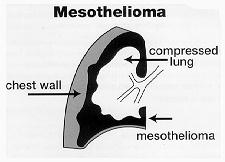
Pleural mesothelioma represents about 75% of all mesotheliomas. The disease can grow quickly and enlarge the pleural space, causing it to fill with fluid. This fluid leads to the discomfort or pain associated with first detection of the disease. It is thought that pleural mesothelioma is caused by the inhaling of fibrous materials, including asbestos. These fibers lodge in the pleura and, over time, cause damage to the tissue layer and cancer erupts. Learn more about pleural mesothelioma.

Types of Mesothelioma

Mesothelioma cancer affects the serous membranes that surround the major organs in the midsection of the body. Different organs can be affected by mesothelioma because the serous membranes surround the lungs, heart, abdomen and others. The most common type of mesothelioma is that which affects the lung lining, and is called pleural mesothelioma. Other types are pericardial mesothelioma, which affects the lining of the heart, and peritoneal mesothelioma, affecting the lining of the abdomen.

Mesothelioma, contrary to what many people think, is not a type of primary lung cancer. That is, mesothelioma does not originate in the lungs, but as described above, it starts in the serous membranes or lining around the lungs (or other organs). However, mesothelioma can spread to the lungs and when this occurs, it is considered to be a secondary lung cancer. Mesothelioma is also commonly referred to as an asbestos lung cancer. Technically, this is also incorrect, since mesothelioma does not originate in the lungs. Asbestosis is a type of asbestos lung disease that is often confused with mesothelioma.

Thursday, August 13, 2009

Is Palliative Treatment an Option?

In some circumstances, age, contributing health problems, or advanced disease may make aggressive treatment impossible. In these cases, palliative care (that which treats the symptoms, but not the disease itself) may be appropriate. If you opt for palliative care, it is doubly important to communicate fully with your doctor. Many symptoms of mesothelioma can be alleviated or substantially lessened if you are completely open with your doctor. Each time you have an appointment, tell your doctor how you feel, what discomfort you are experiencing, and your level of pain. A good doctor should be willing to address your questions and concerns

What Treatment Options Will I Be Offered?

Treatment options may vary according to the age and over-all health of the patient, and the extent of the disease. It is important to be informed of all available options for your particular case, so that you can make decision on the option you feel most comfortable with. Surgery, chemotherapy, and clinical trials, as well as new approaches such as photodynamic therapy, immunotherapy, and gene therapy may be offered. Speak openly with your doctor regarding suggested procedures. Questions may include:

Why is this procedure best for me?
What does the procedure entail?
What are the advantages/disadvantages of this treatment (i.e, will this procedure limit my eligibility for other treatments)?
What are the possible risks or adverse side effects?
What are the response, survival, and mortality rates associated with this procedure?

Can I Be Treated by the Doctor Who Diagnosed My Mesothelioma?

If the doctor who diagnosed your mesothelioma is your primary physician, he will most likely refer you to a local oncologist for treatment. The oncologist may offer what he or she feels are the best treatment options, or, if their knowledge of this disease is limited, may suggest you seek out a doctor who specializes in mesothelioma. Most often these physicians are located at larger, teaching hospitals such as those listed in the Comprehensive Cancer Center Section. These facilities are ranked as state-of-the-art cancer centers, and are highly respected for their patient care and innovative cancer treatments. If your choice of treatment involves a radical surgical procedure or a clinical trial involving new, as yet unproven drugs, these facilities may be best for you. If your treatment involves an already-approved, standard form of chemotherapy, this can be carried out locally.

MESOTHELIOMA STAGES

Treatment options are often determined by the stage of mesothelioma a patient is in. There are three staging systems currently in use for pleural mesothelioma and each one measures somewhat different variables; peritoneal mesothelioma is not staged.
Staging is the term used to describe the extent of a patient's cancer, based on the primary tumor and its spread in the body. It can help the medical team plan treatment, estimate prognosis and identify clinical trials for which the patient may be eligible.
Staging is based on a knowledge of how the cancer develops, from the primary tumor, to the invasion of nearby organs and tissues, to distant spread or metastasis. Staging systems have evolved over time, and they continue to change as scientists learn more about cancer. Some staging systems cover many different types of cancer, while others focus on more specific cancers. The TNM (primary tumor, regional lymph nodes, distant metastasis) is the most common staging system for mesothelioma.
Some elements common to most staging systems are:
Location of the primary tumor.
Size and number of the tumors.
Lymph node involvement.
Cell type and tumor grade.
Metastasis.
Many cancer registries, such as the National Cancer Institute's Surveillance, Epidemiology, and End Results Program (SEER) use summary staging, a system used for all types of cancer. Summary staging groups cancer into five main categories:
In situ - cancer that is present only in the layer of cells in which it began.
Localized - cancer that is limited to the organ in which it began with no evidence of spread.
Regional - cancer that has spread from the primary site to nearby lymph nodes or organs.
Distant - cancer that has spread from the primary site to distant lymph nodes or organs.
Unknown - cases where not enough information exists to indicate stage.
Several types of testing may be used to help doctors determine stage, and to formulate a treatment plan.
Physical examinations. The doctor examines the body by looking, feeling and listening to anything out of the ordinary.
Imaging techniques. Procedures such as x-rays, CT scans, MRIs and PET scans may show the location, size of the tumor and whether the cancer has spread.
Laboratory tests. Studies of blood, urine, fluid and tissue can provide information about the cancer. Tumor markers, sometime elevated when cancer is present, may provide information.
Pathology reports. Results of the examination of tissue samples can include information about the size of the tumor(s), extension into adjacent structures, type of cells and grade of the tumor. Results of the examination of cells in fluid, such as that from a mesothelioma-related pleural effusion, may also provide information.
Surgical reports. Observations about the size and appearance of the tumor(s), lymph nodes and nearby organs.
Staging information should be provided to the patient by his doctor so that potential treatment plans can be discussed. Stage of the mesothelioma, as well as consideration of other factors such as age, health status and the patient's wishes may dictate different treatment options.
The oldest staging system and the one most often used is the Butchart System which is based mainly on the extent of primary tumor mass and divides mesotheliomas into four stages. The more recent TNM system considers variables of tumor in mass and spread, lymph node involvement, and metastasis. The Brigham System is the latest system and stages mesothelioma according to resectability (the ability to surgically remove) and lymph node involvement.
Butchart System – extent of primary tumor mass
Stage I: Mesothelioma is present in the right or left pleura and may also involve the diaphragm on the same side.
Stage II: Mesothelioma invades the chest wall or involves the esophagus, heart, or pleura on both sides. Lymph nodes in the chest may also be involved.
Stage III: Mesothelioma has penetrated through the diaphragm into the lining of the abdominal cavity or peritoneum. Lymph nodes beyond those in the chest may also be involved.
Stage IV: There is evidence of metastasis or spread through the bloodstream to other organs.
TNM System -- variables of T (tumor), N (lymph nodes), M (metastasis)
Stage I: Mesothelioma involves right or left pleura and may also have spread to the lung, pericardium, or diaphragm on the same side. Lymph nodes are not involved.
Stage II: Mesothelioma has spread from the pleura on one side to nearby lymph nodes next to the lung on the same side. It may also have spread into the lung, pericardium, or diaphragm on the same side.
Stage III: Mesothelioma is now in the chest wall, muscle, ribs, heart, esophagus, or other organs in the chest on the same side with or without spread to lymph nodes on the same side as the primary tumor.
Stage IV: Mesothelioma has spread into the lymph nodes in the chest on the side opposite the primary tumor, or extends to the pleura or lung on the opposite side, or directly extends into organs in the abdominal cavity or neck. Any distant metastases is included in this stage.
Brigham System: (variables of tumor resectability and nodal status)
Stage I: Resectable mesothelioma and no lymph node involvement
Stage II: Resectable mesothelioma but with lymph node involvement
Stage III: Unresectable mesothelioma extending into chest wall, heart, or through diaphragm, peritoneum; with or without extrathoracic lymph node involvement
Stage IV: Distant metastatic disease

What Is My Diagnosis?

There are three types of mesothelioma. Pleural mesothelioma is a cancer of the lining of the lung (pleura), peritoneal mesothelioma is a cancer of the lining of the abdominal cavity (peritoneum), and pericardial mesothelioma is a cancer of the lining surrounding the heart (pericardium). Sub-types (or cell types) of mesothelioma are epithelioid (the most common, and considered the most amenable to treatment), sarcomatous (a much more aggressive form), and biphasic or mixed (a combination of both of the other cell types).

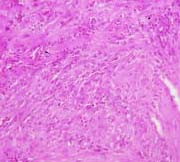
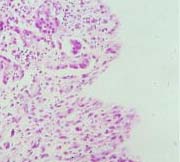
The structural appearance of cells under the microscope determine the cell or sub-type of mesothelioma. Epithelioid is the least aggressive; sarcomatoid, the most aggressive. The biphasic or mixed cell type shows structural elements of both of the other two. More on the histologic subtypes of mesothelioma.


Epithelioid mesothelioma tissue Sarcomatoid mesothelioma tissue


Biphasic mesothelioma tissue

Friday, July 10, 2009

Peritoneal Mesothelioma


Peritoneal Mesothelioma is the second-most prevalent form of asbestos-related cancer, rarer than the pleural variety, and accounting for about 10% - 15% of all diagnosed Mesothelioma cases. This form of cancer affects the lining of the abdomen, known as the peritoneum.
Doctors and researchers offer two theories as to how asbestos fibers are able to enter the peritoneum. Some believe that the fibers are caught and held by the mucus in the trachea or bronchi and ultimately swallowed. The second explanation notes that fibers lodged in the lungs may move into the lymphatic system and be transferred to the peritoneum.
Regardless of which explanation is correct, peritoneal Mesothelioma can be quite difficult to detect, as the cancer may lay dormant for many years. Like all types of asbestos-related cancers, documented incidences show that this type has, at times, been dormant for up to four decades. That, of course, makes it all the more difficult to treat this disease because, by the time it’s detected, it has reached its advanced stages.
The symptoms of peritoneal Mesothelioma are non-specific and can often be mistaken as indicators of a much less serious disease. Therefore, it’s important to let medical professionals know that the patient has been exposed to asbestos in the past. Symptoms of this type of Mesothelioma might include:
Abdominal pain
Abdominal swelling due to fluid accumulation
Weight loss


Loss of appetite
Weakness
Nausea
Bowel obstruction
Breathing difficulties
Location of the tumor will determine which symptoms are present and/or most severe and symptoms may be different according to the patient’s general health and age.
Often, the diagnosis of peritoneal Mesothelioma is accidental, perhaps discovered during an x-ray for another ailment. Additional x-rays, CT scans, or MRIs may be ordered but, ultimately, a tissue biopsy will be the most conclusive test.
Once this type of Mesothelioma is diagnosed, treatment options will be discussed. While there is currently no cure for this disease, the patient can be treated in a variety of ways to help ease symptoms, reduce pain, and prolong life. Options include:
Surgery – the surgery performed for peritoneal Mesothelioma may involve cutting out part of the lining and tissue from the abdominal area in order to remove the tumor. If the tumor is particularly large, a lung or a section of the diaphragm may need to be removed as well. Because this type of cancer is so often diagnosed in its late stages, surgery may not be an option as the cancer has already spread too much by this point.
Chemotherapy – the use of intra-peritoneal chemotherapy is often recommended to patients with peritoneal Mesothelioma. This involves the infusion of chemotherapy drugs directly into the abdominal cavity. It can be used after surgery or on its own.
Radiation therapy – radiation may be targeted directly at cancer cells or can be used for palliative reasons such as to reduce pain or shortness of breath or to control the spread of the tumor.
Clinical trials – some patients choose to participate in clinical trials or employ the use of therapies that have not yet been deemed successful in treating the disease, such as gene therapy or immunotherapy.
Although peritoneal Mesothelioma is not the most prevalent form of asbestos-related cancer, it is indeed a serious problem and many people die each year from the disease. If you, a friend, or a loved one has been diagnosed with this or any other type of asbestos-related cancer, learn about your options and rights by ordering our free Mesothelioma Resource Kit, full of information on the disease, its treatments, and the legal options of an asbestos-related cancer victim

Article From Here

Pleural Mesothelioma

There are two types of Pleural Mesothelioma: Cancerous and non-cancerous.
Benign mesothelioma many times can be surgically removed and is generally not life threatening or a result of asbestos exposure. Malignant mesothelioma is very serious, though. The infliction is quite rare and less than three thousand people in the US get it each year.
The following section is about malignant pleural mesothelioma:
Pleural mesothelioma is a cancer of the cells that affects the skin or inner lining (known medically as the pleura) outside of the lungs and inside of the ribs. This is caused ONLY by exposure to asbestos fibers found in products made mostly by US corporations. The exposure could have occurred many, many years ago because it takes many years for the disease to show up. Pleural mesothelioma is the most common type of mesothelioma and chances are that if you have mesothelioma, this is the type you have.
Often Mesothelioma is diagnosed when no symptoms are present. This could be because a tumor is present or is randomly discovered through something like a routine exam. When these symptoms do occur, they can include shortness of breath, weight loss, chest pains, pains about the lower back, chronic cough, difficulty swallowing, and severe weakness. In the initial examination a medical examination will often show a pleural effusion, which is a bunch of fluid in the area between the lungs and the wall of the chest.

A chest x-ray or CT scan is the necessary first step in identifying mesothelioma, which is followed up with what is called a bronchoscopy. A bronchoscopy requires a viewing scope to look inside the lungs. The diagnosis itself requires a biopsy which allows the medical professionals to take a little piece of tissue from the area in question. This can be done using a tiny needle, an open cut, or even these days through a tube with a camera on the end of it. This is a procedure that must happen at the hospital, but it is not a painful procedure typically.
Any fluid build-up from the pleural effusion can generally be viewed via the x-ray and can be heard through the dr.’s stethoscope during examination. The only firm diagnosis of mesothelioma can be made through the biopsy described earlier. Because other things like tumors and benign effusions can look like mesothelioma, a biopsy is the only safe way to tell as a diagnosis of mesothelioma can be one of the most difficult in the book.
As the tumor spreads over the lining between the lungs and the chest, flexibility can be increasingly painful and restricted. Because of this, breathing becomes much more difficult. It begins with shortness of breath potentially while exercising but as function continues to drop short breath can become more and more of a persistent problem.
Although there is no cure for pleural mesothelioma, the treatment options have improved for managing symptoms. As with any cancer, the prognosis is better for those diagnosed early, and treatment can be more aggressive. Most pleural mesothelioma patients are treated with a multimodal therapy, or combination of treatment options. It is possible for patients with pleural mesothelioma to live for 5 to 10 years after diagnosis, although the average survival time is about a year.
Specific types of treatment include:
Chemotherapy and other drug-based therapies
Radiation therapy
Surgery
Intra-operative photodynamic therapy.
Experimental treatments such as gene therapy, angiogenesis inhibitors, immunotherapy, and many clinical trials are also in the development stages.
Although mesothelioma remains uncurable, many other treatments have had success in pain reduction and improving lung function. Surgeries to remove tumors and reduce pressure have shown promise in pain reduction, and pain control medications are constantly improving. In some cases, X-ray therapy has been shown to control tumor pain as well

Article From Here

What is Mesothelioma

Mesothelioma is a serious and rare form of lung cancer. It is most frequently seen in men between the ages of 50 to 70. Women are affected far less frequently. In the US, between 2000 and 3000 cases are diagnosed each year. Estimates suggest that the incidence of mesothelioma for every 100,000 in the US is about 1.8 and 0.9 internationally. This form of cancer affects people of every race equally. The number of people who have been diagnosed with mesothelioma has increased significantly in the past 30 years. Although many advances in treatment have been made, there is no cure for this type of cancer.

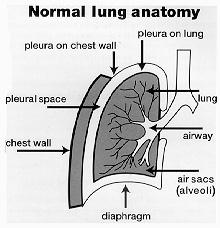
In mesothelioma, the cells of the mesothelium become cancerous and grow out of control. The mesothelium is a protective, two-layered membrane that covers the internal organs of the body including the lungs, heart and abdominal organs. Between these layers, the cells produce fluid, which allows easy movement of the heart and lungs within the chest cavity. The layer that covers the lungs is called the pleura, and the layer that covers the heart is called the pericardium. The peritoneum lines the abdominal cavity. Mesothelium also lines the male and female reproductive organs. Mesothelioma can affect any of these cells, but is usually seen in the pleural or peritoneal mesothelium. The most common form of mesothelioma is pleural.

The primary risk factor for developing mesothelioma is exposure to asbestos. Between 70-80% of people diagnosed with mesothelioma have been exposed to asbestos, usually in the workplace. Although it is possible to develop mesothelioma without any exposure to asbestos, it is very rare. While one person for every million people in the US will be diagnosed with mesothelioma, about 7-13 men who have been exposed to asbestos will be diagnosed with the disease. Symptoms frequently take 20 years to develop, but can take as long as 50 years to occur.

When cancerous cells invade the mesothelium, it becomes increasingly difficult to breathe. In the pleural form of mesothelioma, tumors growing in the mesothelium cause pleural effusions, which prevent the smooth movement of the lungs and other organs in the chest. Peritoneal mesothelioma invades the abdominal cavity and can cause loss of appetite weight loss, nausea and vomiting. Most patients seek medical care after having symptoms only 4-6 months.

Mesothelioma is a very aggressive form of cancer. Because it takes so long for symptoms to appear it can spread to the other organs in the chest, the chest wall and into the lymph nodes. The cancerous cells spread, or metastasize from the mesothelium into other parts of the body and damage internal tissues and organs. Treatment is more effective when the disease is detected early.

Treatment is aimed at reducing the size of tumors, and relieving symptoms. Chemotherapy, radiation treatment and surgery are some of the traditional treatment strategies used to help patients live longer, with fewer symptoms. New advances in photodynamic therapy and immunotherapy give hope for prolonging the lives of patients with mesothelioma. On average, however, the life expectancy after being diagnosed with mesothelioma is less than one year
Article From Here

Friday, July 3, 2009

Automobile Factory Workers Face an Increased Probability for Cancer

In Detroit and elsewhere, the high rate of cancer and other deadly illnesses in America's auto factory workers continues to be a growing concern.

A link between auto workers and cancer began gaining attention in the 1970s. During this time, asbestos-related cancers such as mesothelioma began cropping up in an unusual number of industry employees. The cause, as it turns out, is the extended amount of time that auto employees spent working around asbestos-laden brake pads and clutch plates.

Though asbestos regulation enacted in the 1970s and beyond have significantly limited the amount of asbestos exposure current auto workers are exposed to, the number of new mesothelioma cases continues to rise. This is because mesothelioma has a latency period of between 20 and 50 years. As such, retired auto workers who worked in plants prior to the 1980s are only now experiencing the deadly side effects of working among such hazardous materials.

Though asbestos is now regulated, it is not the only hazardous material found in our nation's auto factories. Hazards that are as old as the auto industry itself include paint vapors and solvents, welding fumes, foundry chemicals, die cast components and carcinogens released during patternmaking.

Since the 1980s, a number of studies have been released that correlate the above list of hazards to a growing number of potentially fatal illnesses. For auto workers specifically, the facts can most easily be summed up by a 1994 study titled "Cancer in the Auto Industry." In the study, the author lists a number of illnesses that can be linked to specific jobs in auto factories. These correlations include:

  • Assembly plant workers: Hodgkin's Disease and lung, lymphoma, stomach, pancreas and trachea cancer
  • Ball bearing production: pancreas and stomach cancers
  • Die casting & electro-plating: lympho-reticulo sarcomas and stomach cancers
  • Engine plants: liver and bladder conditions
  • Engine and foundry plants: stomach and prostrate cancers
  • Maintenance: pancreatic cancer
  • Mechanics/Repairmen: stomach, bladder, lymphopoietic and lung cancers
  • Millwrights: rectum and lung cancers
  • Patternmakers: colon, brain, colorectal and stomach cancers
  • Spray Painters: colon cancer
  • Tool and die makers: digestive and lymphopoetic cancers
  • Welders: lung, pancreas and stomach cancers

Article From Here

MESOTHELIOMA'S CAUSE - ASBESTOS EXPOSURE

At some point in our lives, nearly all of us have been exposed to asbestos in the air we breathe and the water we drink; from natural deposits in the earth, and from the deterioration of asbestos products around us. Most of us, however, do not become ill as a result of our exposure. More commonly, those who at some point are diagnosed with asbestos disease, have worked in jobs where more substantial exposure occurred over longer periods of time. Nevertheless, cases of mesothelioma have been documented as the result of lesser exposure, affecting family members of workers who came into contact with asbestos and brought it home on their clothing, skin or hair, or affecting those who lived in close proximity to asbestos manufacturing facilities. Symptoms of asbestos disease usually are not be apparent until decades after exposure.

Asbestos was used commercially in North America as early as the late 1800s, but its use increased dramatically during the World War II era when shipyards produced massive numbers of ships for the war effort. Since that time, asbestos-containing products were used by the construction and building trades, the automotive industry and the manufacturing industry. All told, more than 5,000 products contained asbestos.

For more than 50 years, products containing asbestos remained unregulated, and the manufacturers of those products continued to prosper, knowing full well that many of the millions of workers who came into contact with their products would ultimately suffer as the result of their actions. Finally, in the late 1970s, the Consumer Products Safety Commission banned the use of asbestos in wallboard patching compounds and artificial ash for gas fireplaces because the fiber could easily be released during use. In 1989, the Environmental Protection Agency banned all new use of asbestos, but uses established prior to that time were still allowed. Although awareness of the dangers of asbestos and public concern over the issue have led to a decline in domestic consumption over the years, a total ban on asbestos has not come to fruition. Asbestos is still imported, still used and still dangerous.

Although it is suggested that the number of mesothelioma cases in the U.S. has reached its peak and has begun to drop, a forecast released by the National Cancer Institute's Surveillance, Epidemiology, and End Results Program (SEER), in April, 2003, projected the total number of American male mesothelioma cases from 2003-2054 to be approximately 71,000. This number, however, does not take into consideration events such as the World Trade Center disaster on September 11, 2001, when millions of New Yorkers were potentially exposed to air filled with carcinogenic asbestos particles. The incidence of mesothelioma cases by state and county are shown in these tables. When the latency period for asbestos disease is factored in, cases of mesothelioma will continue to be diagnosed for years to come. See our page on mesothelioma risk factors.


Article From Here

Mesothelioma Common Questions

What is Mesothelioma? What is the difference between pleural mesothelioma and peritoneal mesothelioma?
Malignant mesothelioma is a disease in which a cancerous tumor grows on the mesothelium - the sac lining the internal body cavities. The specific type of mesothelioma is named for the tissue where the cancer started. Pleural mesothelioma starts in the chest, in the pleura that surrounds the lungs (outer lining of the lungs and internal chest wall). It makes up about 70% of mesothelioma cases. Peritoneal mesothelioma starts in the lining of the abdominal cavity.

Although sometimes referred to as "asbestos lung cancer", mesothelioma is not the same as lung cancer. Lung cancers occur inside the lung itself; mesothelioma occurs in the lining of the lung. Mesothelioma is rare, striking fewer than 3000 Americans per year.

How do you get malignant mesothelioma?
Mesothelioma is caused by asbestos exposure. Asbestos, once regarded as a miracle mineral, was popular due its lightweight but tough characteristics as well as for its heat-resistant properties. This naturally occurring mineral was used in many commercial and consumer products, from construction materials such as cement, roofing shingles and insulation, to consumer and industrial applications such as hair dryers, automobile brake pads and pipe insulation.


Most people with malignant mesothelioma worked on jobs where they breathed asbestos. Others were exposed to asbestos in a household environment, often without knowing it.

How much exposure does it take to get the disease? What is the latency period?
Very little exposure can result in mesothelioma. Sometimes people who worked with asbestos for as little as one or two months get mesothelioma. The "latency period" refers to the time between asbestos exposure and diagnosis of the disease. For mesothelioma, the latency period can be decades long, and people exposed in the 1940s, 50s, 60s, and 70s are now being diagnosed.

What are the symptoms of mesothelioma?
Our mesothelioma symptoms page goes into detail about the signs of this cancer. Please note that it is important to seek professional medical advice when trying to diagnose for mesothelioma. The major symptoms include:

•Shortness of breath caused by expanding pleural effusion
•Persistent dry cough
Other symptoms may include:

•Fatigue
•Night sweats
•Fever
•Pain under the rib cage
•Swelling or lumps in the abdomen
•Unexpected weight loss
How do doctors treat malignant mesothelioma?
Each patient has an individualized treatment plan which takes into account the type and stage of the cancer as well as the patient's overall health. Traditional mesothelioma treatments include surgery, chemotherapy, radiation or a combination of these. Contact us at 1-877-367-6376 if you want to talk about reviewing treatment options.

Is there any promising research or are there promising new drugs for mesothelioma?
Scientists and doctors are engaged in research at various cancer centers all over the United States. Researchers are constantly trying to develop new and more effective drugs as well as new treatment techniques. In the past few years, there have been several major advances in the management of mesothelioma, including more accurate staging, improvements in surgical techniques and postoperative care, new chemotherapy regimens, and new radiotherapy techniques such as intensity-modulated radiation therapy. Some of this research is being conducted through clinical trials, for which you may be eligible. Please call us if you need additional information on current trials.


What should I do if I think I've been exposed to asbestos but don't have mesothelioma?
You probably will not get this rare disease, but you should remain vigilant and get regular check-ups. Let your doctor know about your asbestos exposure.


I was exposed to asbestos when I was in the military. Could that be how I got mesothelioma?
The armed forces used asbestos extensively in the 20th Century, and because of the long latency period only now are many veterans getting mesothelioma. People were exposed in all branches of the service, in a variety of jobs. We have worked with veterans from all over the country. We can help you find VA resources and medical assistance. Our veterans section goes into more detail or feel free to call us at 1-877-367-6376.

Where can I find information on living with mesothelioma?
Mesothelioma Aid is a good website for resource for families dealing with mesothelioma. It includes advice and referrals to other resources for coping with cancer, caregiving, financial challenges, and support groups. Alternatively, contact us here at Mesothelioma Web for help finding resources for living with this disease.

What other resources are available for people with malignant mesothelioma?
Should you need more information or have additional questions, please contact us and we can refer you to sources that could answer your specific question. We can be reached at 1-877-367-6376.


Article From Here

Mesothelioma Lawsuits - Mesothelioma attorneys

Mesothelioma Lawsuits - Mesothelioma attorneys
1 Mesothelioma is a rare form of cancer Mesothelioma that can take up to 20 years Mesothelioma to develop, Mesothelioma attorneys need specific Mesothelioma training andMesothelioma experience when Mesothelioma seeking compensation for clients.
2 who works with or was Mesothelioma exposed to asbestos can prove that they have Mesothelioma suffered injuries Mesothelioma related to asbestos contamination. Mesothelioma attorneys Mesothelioma Mesothelioma

Mesothelioma

Mortgage mortgage rates from hundreds of mortgage companies. mortgage loan rate quotes for home loans. A mortgage loan is a loan secured by real property through the use of a note which evidences the existence of the loan and the encumbrance of that realty Mortgage.